
Newsletter Subscribe
Enter your email address below and subscribe to our newsletter
Enter your email address below and subscribe to our newsletter

 ByJohn A
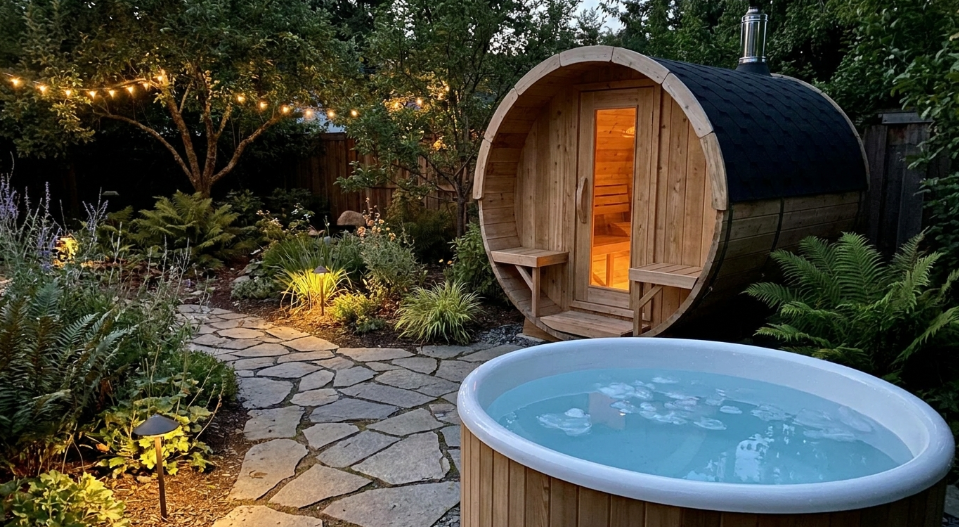
For a freestanding backyard cabin, the heater itself is rarely the cost that decides electric versus wood-fired. Electric heaters run $500 to $1,500 for the unit, but getting power to a detached structure can mean trenching a conduit run from the house, which alone can cost $1,000 to $3,000 or more depending on distance and whether the run crosses a driveway or landscaping. Wood-fired heaters skip the electrical work entirely but need a code-compliant chimney and a dry place to store fuel. The right choice depends less on the heater price tag and more on how far the cabin sits from your house and whether smoke will bother anyone nearby.
An electric heater in the 6 to 9 kW range needs a dedicated 240-volt circuit, and for an outdoor structure that circuit usually has to travel underground from your main panel. If the cabin sits within 15 or 20 feet of an exterior wall with easy panel access, that run might cost $500 to $1,000. Push the cabin to the back corner of a larger lot, 60 or 80 feet away, and you are looking at trenching through lawn or garden beds, direct-burial rated cable or conduit, and a weatherproof disconnect box at the cabin end, which can push the electrical portion past $2,000 before the heater is even mounted. This distance factor is the single biggest variable buyers underestimate when budgeting for an electric setup outdoors.
Wood-fired heaters themselves run $800 to $2,500, generally more than a comparable electric unit, and require a stovepipe and chimney system that meets local fire clearance codes, typically adding $400 to $1,000 in materials and labor. The advantage outdoors is that you skip the electrical trenching question entirely, which matters a lot if your ideal site is far from the house. The tradeoff is a visible chimney that needs to clear the roofline properly and, depending on your local code, may require an inspection before the sauna can be used.
This is a consideration electric buyers never have to think about and wood-fired buyers sometimes learn about the hard way. Chimney smoke drifting toward a neighbor’s patio or an open bedroom window on a still evening is a real source of complaints in denser neighborhoods, and prevailing wind direction should factor into where you place a wood-fired cabin, not just where it looks best in the yard. On a large rural lot this rarely matters. On a smaller suburban lot with houses close together, it is worth checking wind patterns before committing to wood heat, or leaning toward electric specifically to sidestep the issue.
Electric heaters draw grid power at a predictable rate, working out to roughly 50 cents to a little over a dollar for a typical hour-long session at average residential electricity rates. Wood-fired sessions cost whatever your firewood costs, close to nothing if you are burning wood from your own property, or $200 to $400 a cord if you are buying seasoned wood, with a session using a modest fraction of that. The honest math is that wood only wins on ongoing cost if the wood itself is cheap or free to you specifically, and even then the time spent building and tending a fire outdoors, often in the cold, is a real cost most buyers do not weigh heavily enough until they have done it a dozen times.
Yes, and it is easy to overlook when pricing out a wood-fired cabin. Firewood that sits exposed to rain and snow burns poorly and produces more smoke and creosote buildup, so a proper setup needs a covered woodshed or a roofed rack positioned close enough to the sauna to be convenient in bad weather. A simple lean-to rack runs a few hundred dollars in materials for most backyards, a small line item next to the heater cost but one that gets skipped in a lot of budget estimates.
Weather exposure changes the maintenance picture for both heater types, not just the installation cost. An electric heating element outdoors sees the same wear as an indoor one, typically lasting 5 to 10 years, but the surrounding electrical components, the disconnect box, conduit fittings, any exterior junction boxes, need periodic checks for moisture intrusion that an indoor circuit never has to worry about. A cracked or degraded weatherproof gasket on an outdoor disconnect is a small thing that is easy to miss until it causes a nuisance trip or, worse, a real hazard.
Wood-fired systems have their own outdoor-specific upkeep. The chimney and stovepipe need regular creosote cleaning regardless of location, but an exterior chimney cap and flashing also need checking for weather damage, something an indoor flue run mostly avoids. Rust on exposed metal components shows up faster outdoors, especially in coastal or high-humidity regions, so a wood-fired heater built with outdoor-rated hardware from the start tends to hold up better than one designed primarily for an indoor install and adapted afterward.
If your cabin site is close to the house and an electrician can run a short circuit without major trenching, electric usually wins on total installed cost and day-to-day convenience. If your ideal spot is far from the panel, on acreage where smoke is a non-issue and you already have a wood supply, the economics can tip toward wood-fired even with the added chimney cost. Either way, the site itself, not just the heater brand, should drive the decision. Comparing heater specs and typical installation requirements for https://sweatdecks.com against your actual yard layout before ordering is a better first step than picking a heater type and hoping the electrical or chimney work falls into place afterward.
Is running electricity to a backyard sauna expensive?
It depends heavily on distance from your main panel. A cabin near the house might need only a short conduit run, while one far across the yard can add well over a thousand dollars in trenching.
Does a wood-fired outdoor sauna need a chimney permit?
In most jurisdictions, yes. A wood-fired stove typically needs to meet local fire clearance codes and may require a permit or inspection.
Can smoke from a wood-fired sauna bother neighbors?
It can, especially on a smaller lot. Chimney placement and prevailing wind direction matter, and some buyers choose electric specifically to avoid the smoke conversation.
Do you need to store firewood differently for an outdoor sauna?
Yes. Firewood needs to stay dry, so a covered woodshed or roofed rack near the cabin is worth budgeting for rather than a tarp-covered pile.
